
Why Mahahual’s Future Matters More Than a Mega Water Park
Celebrating SEMARNAT’s Decision to Reject the Perfect Day Project in Mahahual
The recent decision by Mexico’s Secretaría de Medio Ambiente y Recursos Naturales (SEMARNAT) to reject Royal Caribbean’s proposed “Perfect Day” megaproject in Mahahual marks an important moment for the future of the Mexican Caribbean.
For many of us who love and appreciate what Mahahual actually is, this was never simply about stopping development.
It was about:
protecting one of the most unique coastal communities in Mexico
preserving the fragile ecosystems of the Caribbean
supporting a tourism model that benefits local businesses and future generations instead of concentrating economic activity into a single enclosed corporate destination.
SEMARNAT confirmed that the project would not be approved due to environmental concerns tied to the ecological sensitivity of the region, including risks to mangroves, coastal ecosystems, and the nearby Mesoamerican Reef system. (reuters.com)
For many residents, environmental advocates, local business owners like La Leyenda ECO-TOURS, and travelers who value authentic destinations, the announcement feels like a major victory! Why, you say?
Mahahual Is More Than a Cruise Stop
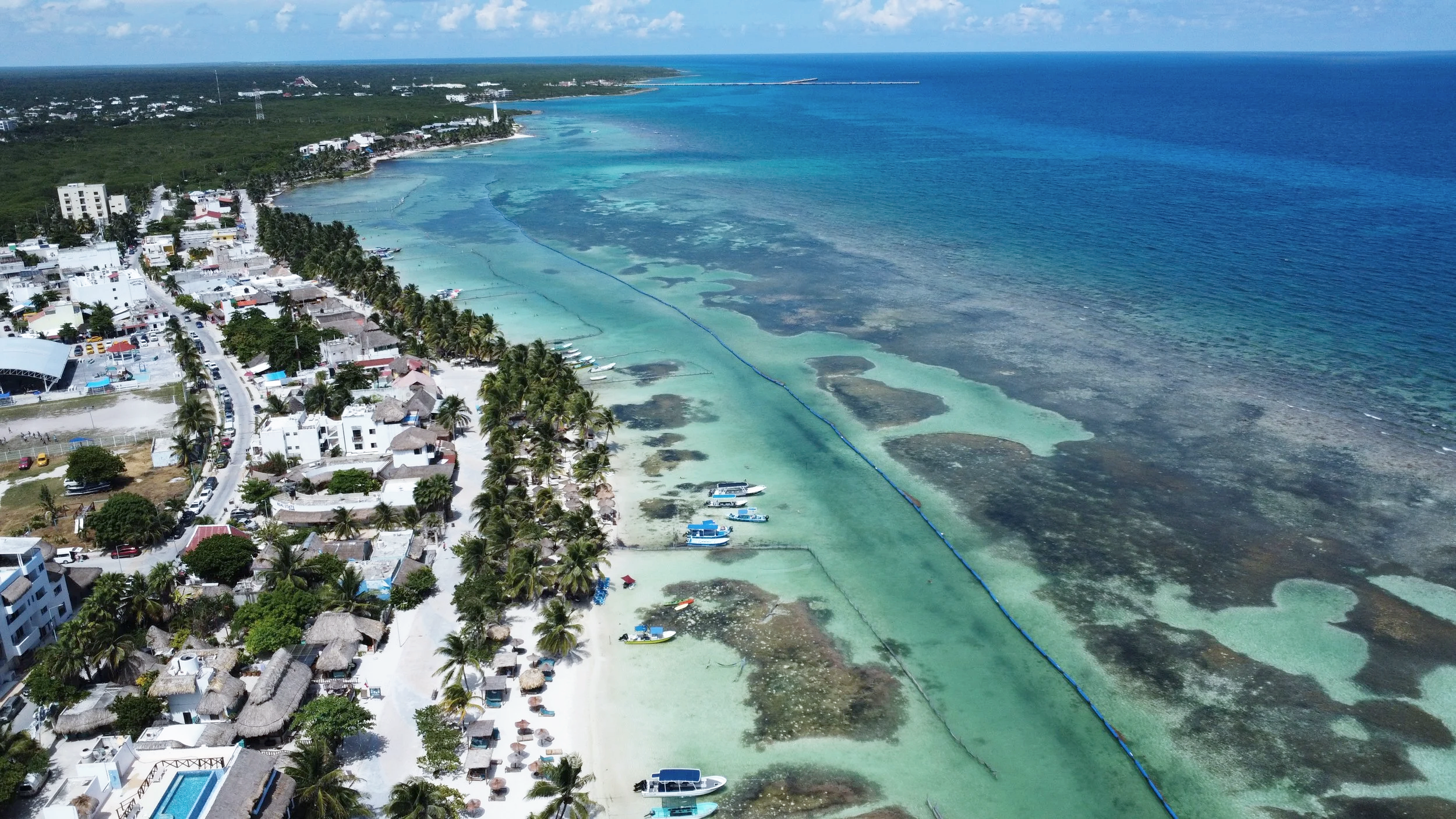
Mahahual is not just another cruise port, even though it has one.
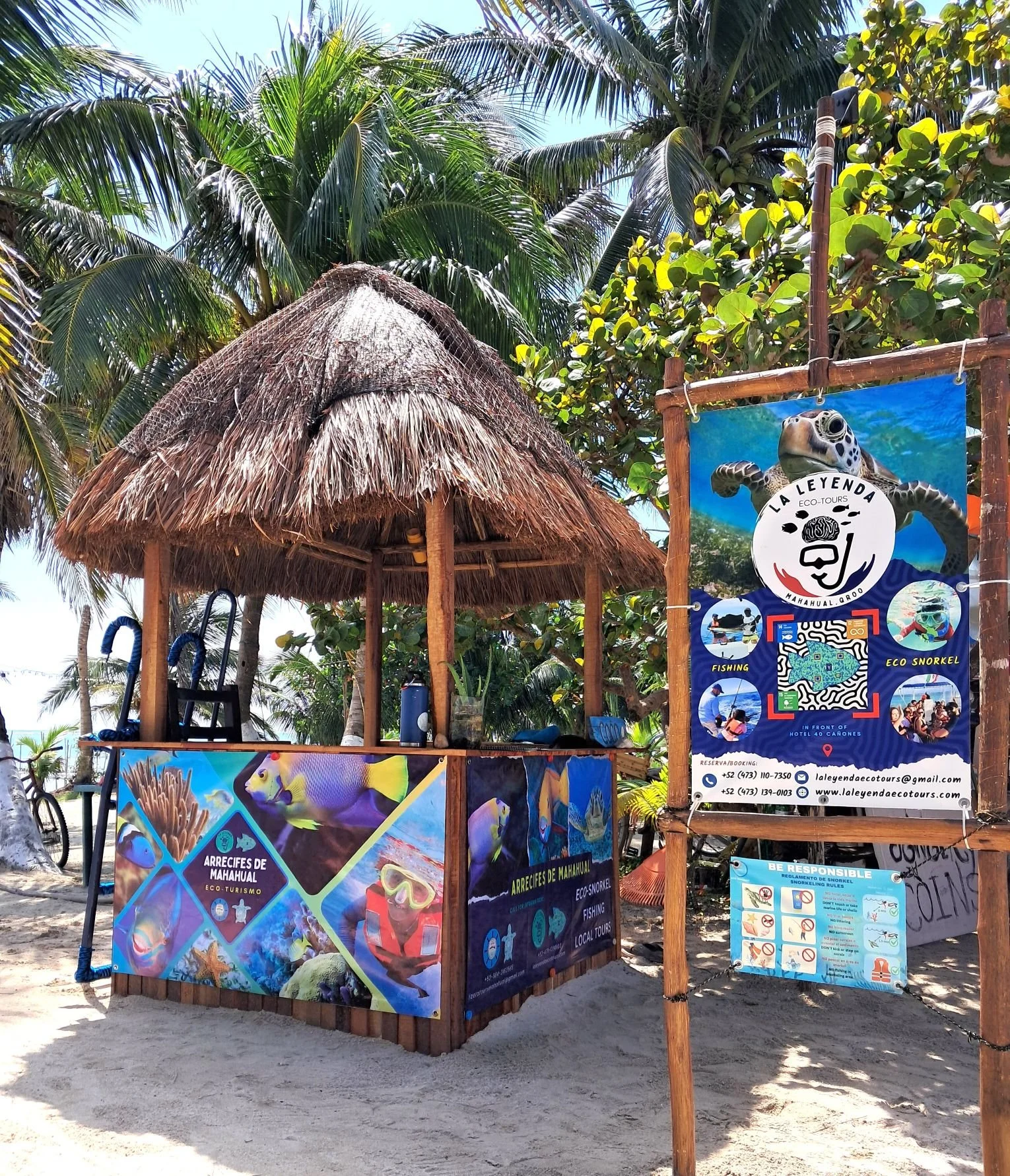
It is a small Caribbean town with a unique identity built around fishing traditions, reef tourism, diving, snorkeling, small businesses, family-run restaurants, eco-tourism operators, and direct relationships between travelers and the local community.
La Leyenda ECO-TOURS, as well as a few other tourism operators in Mahahual, include long-time locals who helped found the community over 50 years ago.
Locals who have been eye-witness to environmental and cultural changes and can provide a wealth of invaluable information about the area to would be visitors.
Unlike highly commercialized destinations, Mahahual still offers guests something increasingly rare in the Caribbean:
Access to nature
Authentic, Mexican Caribbean culture
Local, family businesses
Direct interaction with residents
Reef-centered tourism experiences
A slower and more sustainable atmosphere
Many visitors who return to Mahahual every year do so precisely because it does not feel like a massive corporate tourism complex.
The proposed “Perfect Day” development would have transformed large sections of virgin coastline into a private (and exclusively for Royal Caribbean guests), cruise-controlled destination with water slides, pools, shops, over-priced bars and restaurants, and large-scale tourism facilities designed primarily to keep cruise passengers inside the company ecosystem.
All while providing the most inauthentic “Mexican” experience possible.

For many in Mahahual, that raised an obvious question:
Would local businesses truly benefit if visitors never left the cruise company’s controlled environment?
The answer is: no, not really.
Protecting the Mesoamerican Reef Matters
Mahahual sits beside the Mesoamerican Barrier Reef, the second-largest reef system in the world.
This reef is one of the Caribbean’s most important ecosystems and supports:
Coral biodiversity
Sea turtle habitats
Tropical fish populations
Coastal protection
Local fishing livelihoods
Eco-tourism businesses

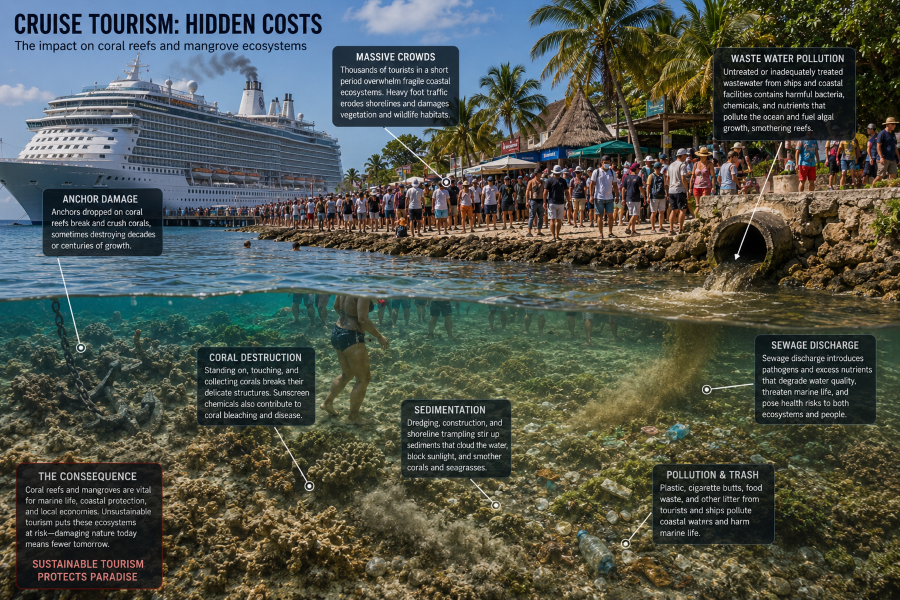
Scientists and environmental organizations warned that a project of this scale could place additional stress on an already vulnerable ecosystem. Concerns included coastal alteration, water quality impacts, mangrove disruption, erosion, increased maritime pressure, and long-term reef degradation.
In recent years, Caribbean reefs have already faced major challenges from:
Climate change
Coral bleaching
Sargassum events
Overdevelopment
Pollution
Unsustainable tourism practices
For many environmental advocates, protecting Mahahual represents an opportunity to avoid repeating mistakes seen in other overdeveloped coastal destinations. Sustainable tourism which ensures the longevity of delicate ecosystems is more valuable than anyone’s “perfect day”.
Read more about what makes the coral reef system here in Mahahual so special.
Why Mangroves Are So Important
One of the central environmental concerns surrounding the project involved mangrove ecosystems.
Mangroves are often underestimated, but they play an essential role in coastal health.
They help:
Prevent erosion
Filter water naturally
Protect coastlines from storms
Serve as nursery habitats for marine life
Store large amounts of carbon
Support biodiversity
Destroying or fragmenting mangroves can create long-term ecological damage that is extremely difficult to reverse.
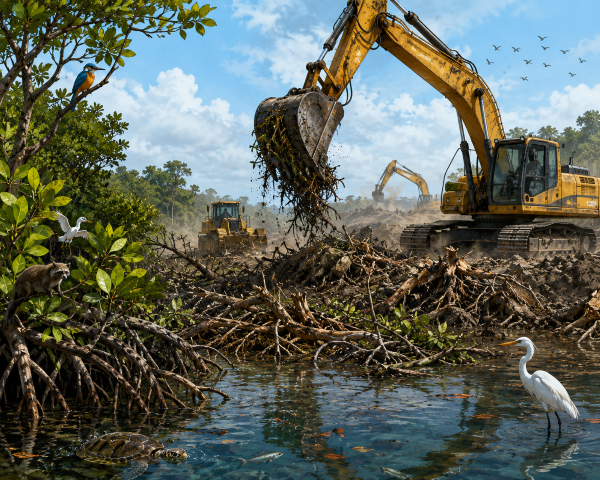
Protecting these ecosystems is not anti-development. It is long-term environmental responsibility.
Royal Caribbean’s promises of constructing one of the largest water parks in North America in a mangrove forest, without disrupting the mangroves, is simply a lie.
Sustainable Tourism Creates Stronger Local Economies
One of the biggest misconceptions in tourism development is the idea that larger projects automatically create better outcomes for local communities.
In reality, small and medium-sized local businesses often generate broader economic distribution.
When travelers leave the cruise port to explore Mahahual itself, they support:
Family-owned tour companies
Local restaurants
Taxi drivers
Beach clubs
Artisans
Fishing cooperatives
Independent guides
Small hotels and guesthouses
This creates what economists sometimes call a “local multiplier effect,” where tourism revenue circulates throughout the community instead of remaining concentrated within a single corporation.
By contrast, closed tourism ecosystems such as the rejected “Perfect Day Mexico” by Royal Caribbean can reduce the amount of money reaching independent local businesses while putting an unsustainable strain on the local environment and infrastructure.
Local residents and tourism operators understand that the proposed development would have encouraged visitors to remain inside a private cruise-controlled destination rather than exploring Mahahual itself.
That concern became a major part of the public debate.
The Rise of Eco-Conscious Travelers
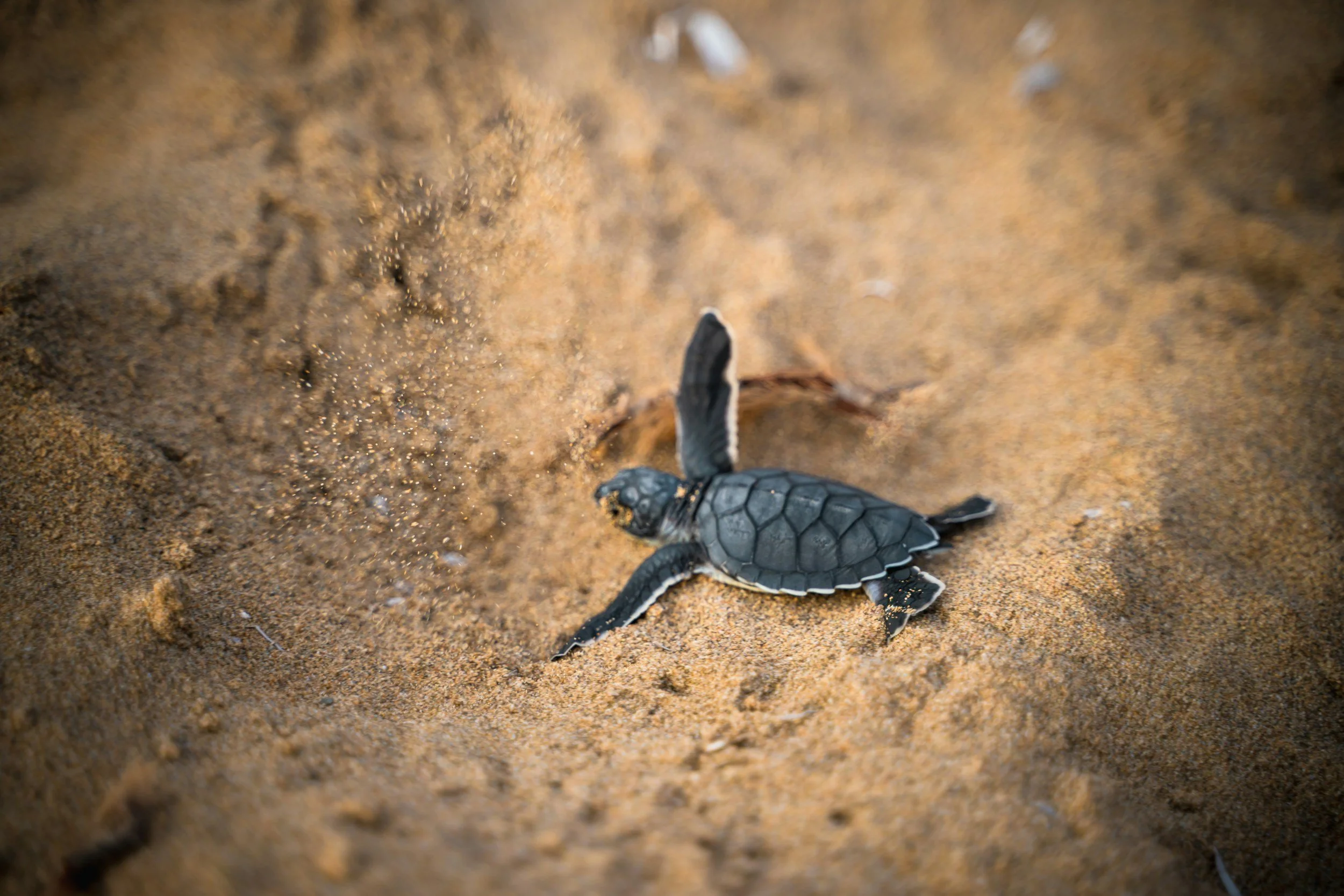
Travelers are increasingly looking for experiences connected to:
Nature
Sustainability
Wildlife
Authentic culture
Responsible tourism
Smaller group experiences
This trend has helped destinations like Mahahual stand out.
Modern travelers increasingly value:
Snorkeling on living reefs
Meeting local guides
Eating at local restaurants
Exploring authentic coastal towns
Supporting conservation-minded businesses
The rejection of the project signals that environmental protection and tourism development do not have to be opposing forces.
Instead, it highlights the possibility of building a tourism economy centered around sustainability and community participation.
To understand more about what eco-tourism really is, check out our article on the topic here: What is Eco-Tourism?
Public Participation Made a Difference
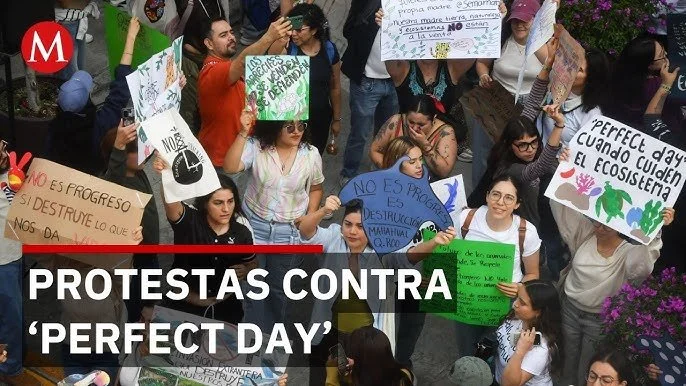
Video and image by MILENIO
One remarkable aspect of this story has been the level of public engagement.
Environmental organizations, local advocates, residents, scientists, tourism operators, and travelers all participated in discussions surrounding the future of Mahahual.
Petitions opposing the project gathered millions of signatures, while environmental groups publicly raised concerns regarding the long-term ecological impact of the proposed development.
Organizations such as Greenpeace Mexico has been advocating against “predatory tourism” not only in Mahahual but other areas of the Mexican Caribbean.
They have a petition you can sign supporting the cause here:
Whether one agreed or disagreed with the project, the outcome has demonstrated that environmental discussions and public participation can influence major government decisions.
Development and Conservation Can Coexist
Supporting SEMARNAT’s decision does not mean opposing tourism.
Tourism is an essential part of Mahahual’s economy.
The real conversation is about what kind of tourism creates the healthiest long-term future.
There is a major difference between:
Sustainable tourism that integrates with local communities
Large-scale tourism infrastructure that risks overwhelming ecosystems and concentrating economic benefits.
Mahahual has an opportunity right now to become an international example of eco-tourism done correctly.
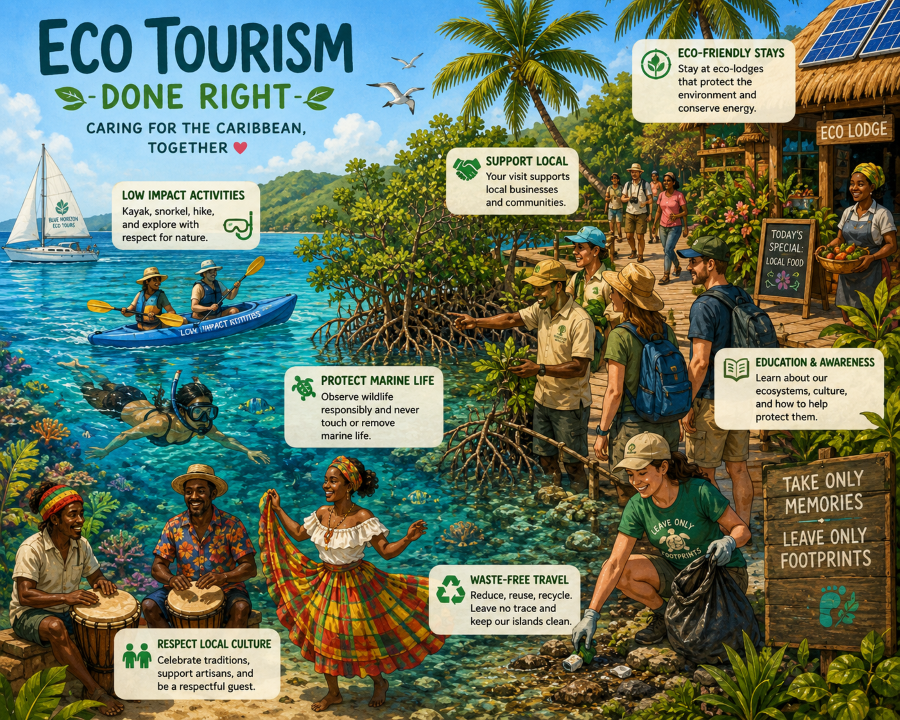
That means investing in:
Reef conservation
Sustainable snorkeling and diving
Better waste management
Infrastructure improvements
Small business development
Community-based tourism
Environmental education
Responsible coastal planning
Protecting natural ecosystems is not an obstacle to economic growth.
For destinations like Mahahual, it is the foundation of long-term economic survival.
Looking Toward the Future of Mahahual
The rejection of the “Perfect Day” project represents more than a single environmental decision.
It reflects a larger global conversation about the future of coastal tourism.
Communities around the world are increasingly asking:
How much development is too much?
Who benefits economically?
What happens to ecosystems after mega projects arrive?
Can tourism remain sustainable over decades?
Mahahual still has something incredibly valuable:
A living reef. A strong local identity. A growing eco-tourism community. And a natural beauty that has not yet been fully consumed by mass development.
Protecting those things is not anti-progress. It is an investment in the future.
Final Thoughts
SEMARNAT’s rejection of the proposed “Perfect Day” development in Mahahual will likely remain an important moment in the history of the Mexican Caribbean.
For many people, the decision represents hope that environmental protection, sustainable tourism, and community-centered economic growth can still prevail in one of the world’s most beautiful coastal regions.
Mahahual does not need to become another overbuilt tourism corridor to thrive.
Its greatest strength has always been the reef, the sea, the community, and the authentic experiences that travelers cannot find inside a manufactured destination.
That is certainly worth protecting.

